



Research Tour
Saturday, February 7, 2026
12:30 – 3:30 p.m. | Blackwood Division
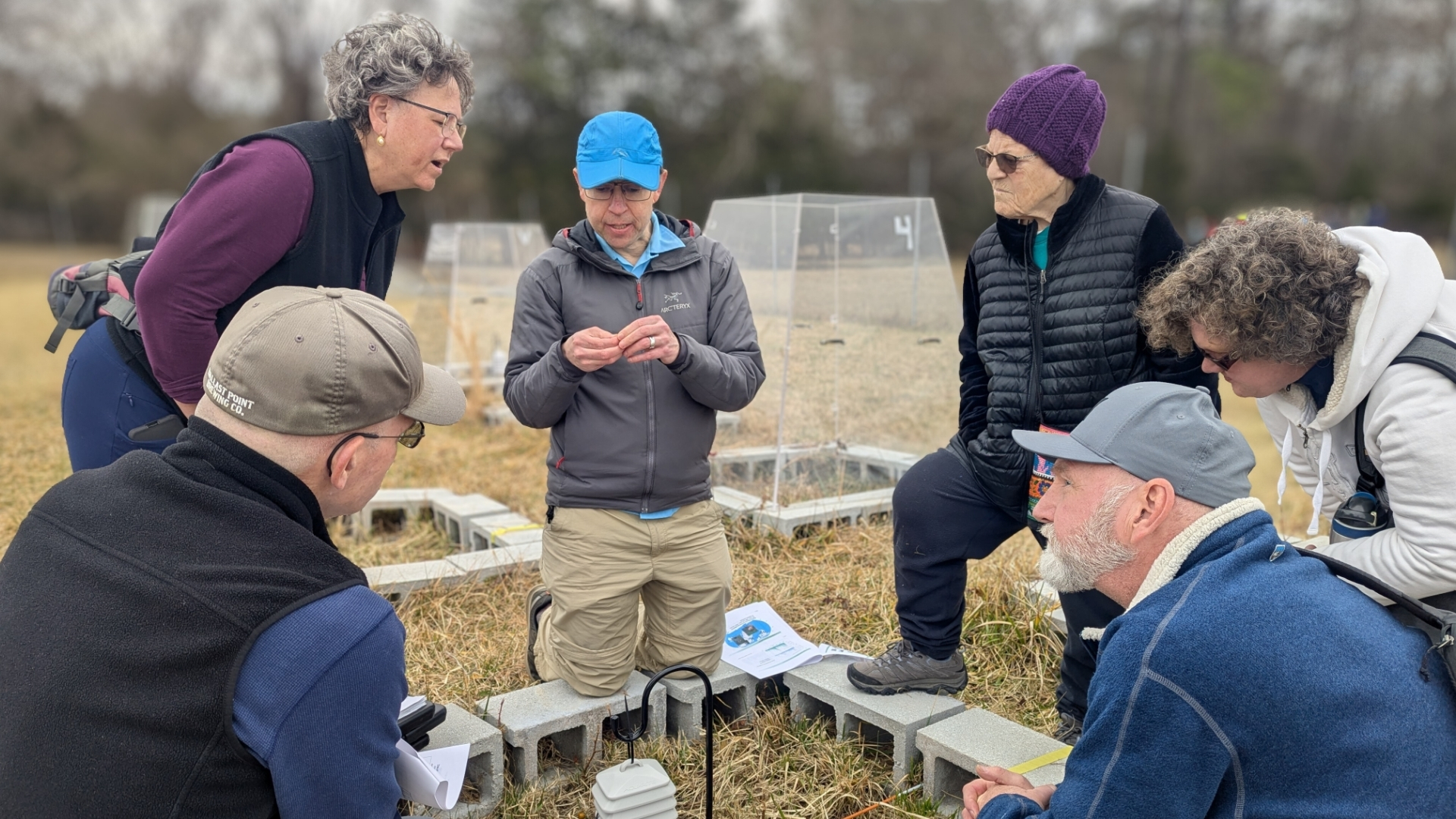
Renowned as Duke University’s largest laboratory and outdoor classroom, the Duke Forest hosts dozens of teaching and research projects, large and small, each year. Researchers come from across disciplines, academic institutions, and the world to study in this unique living laboratory. Join us for an engaging tour to visit a project site and learn directly from the researchers about their studies in the Duke Forest!
Our 2026 Research Tour will highlight studies taking place in the Forest’s Blackwood Division, which is largely closed to the public and restricted for research use. The following presenters and projects will be featured:
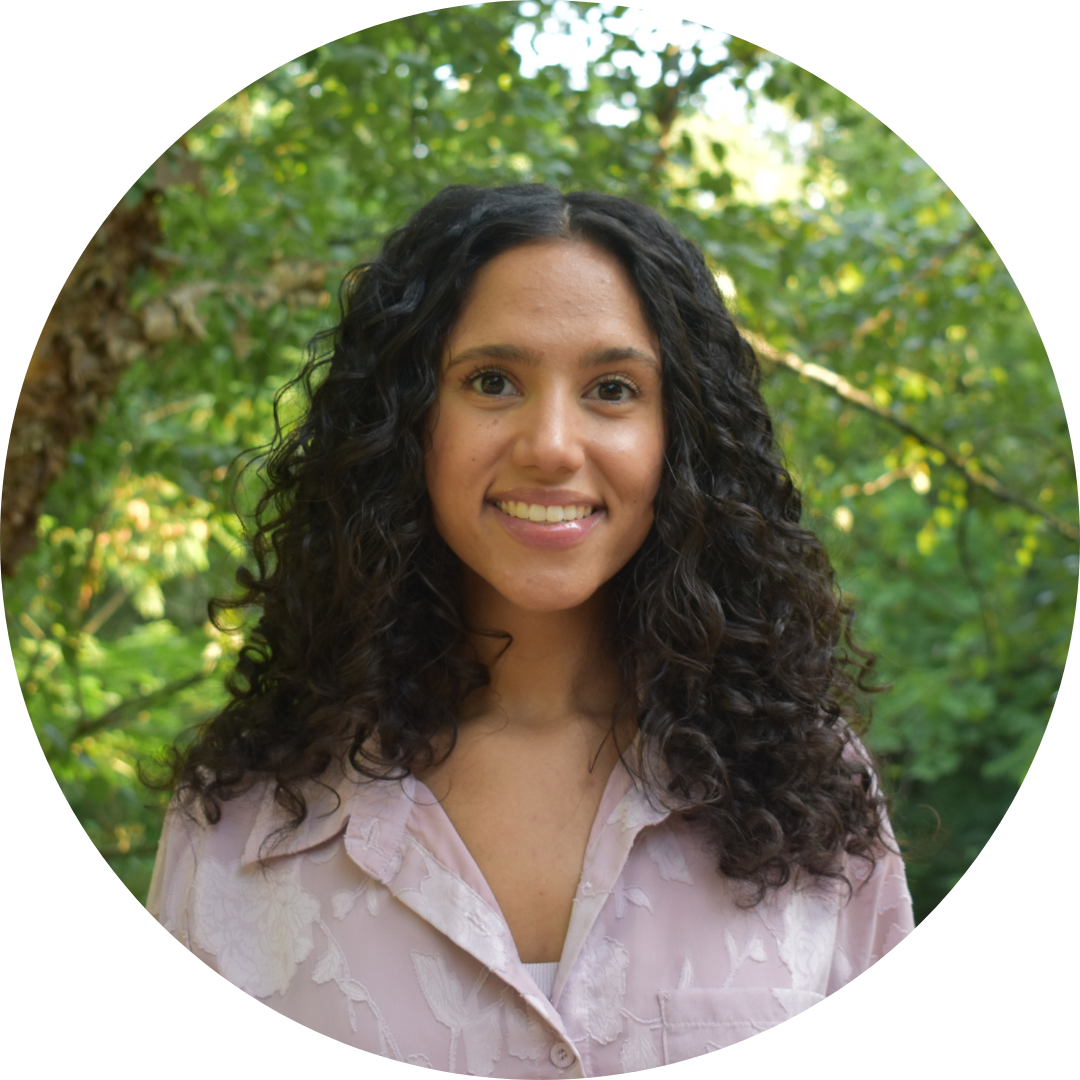 Amanda Wilson
Amanda is a 3rd year PhD student in the Lutzoni lab in the Department of Biology. Her research interests focus on endophytic fungi, which are fungi that reside asymptomatically within all land plants. Endophytic fungi do not cause disease and may actually provide important benefits to the host plants, but very little is known about them. Amanda is studying how endophytic fungi move between host plants, so we better understand their populations and functions. Amanda will discuss her work and demonstrate some of her novel sampling techniques.
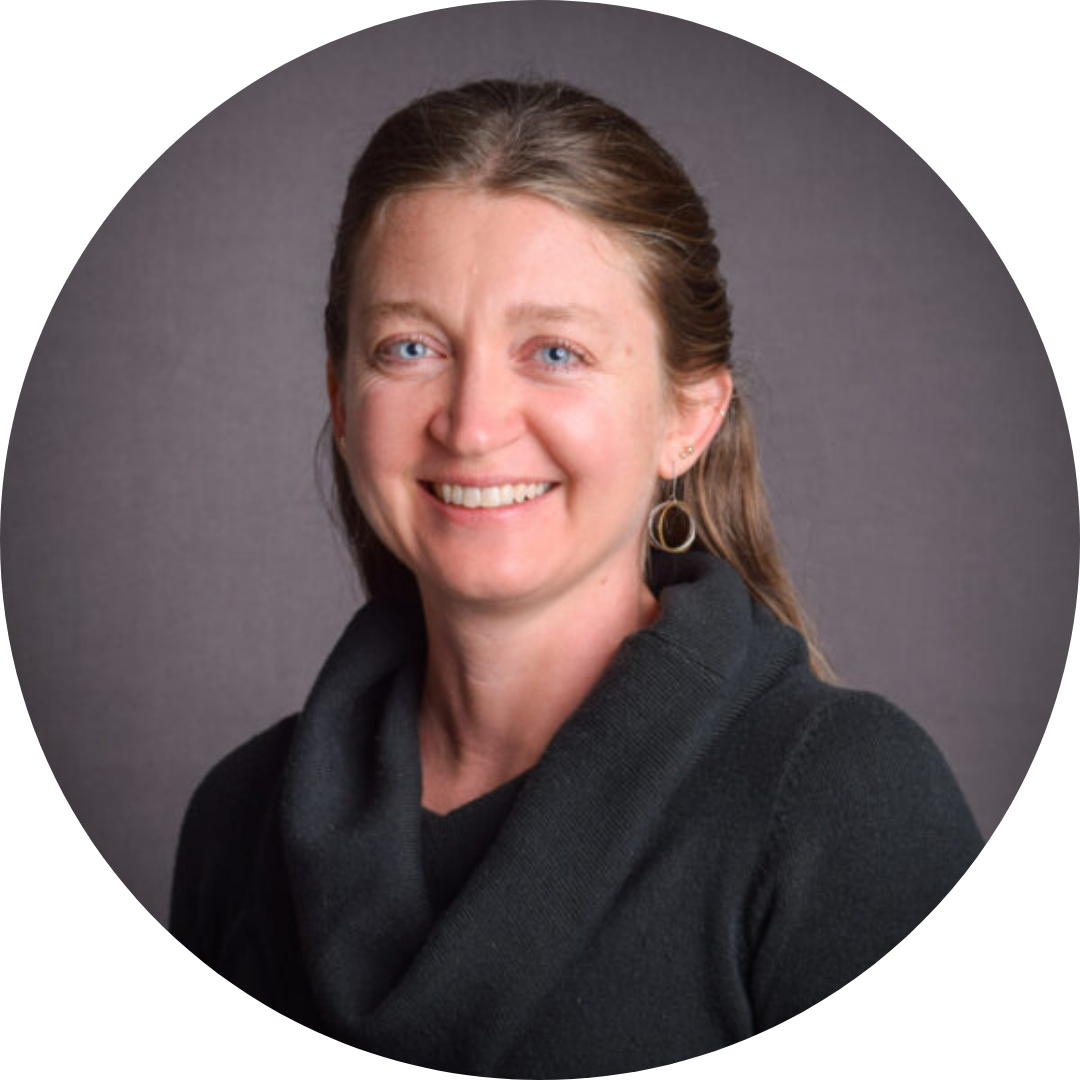 Rachel Cook
Dr. Cook is a professor in the College of Natural Resources at North Carolina State University. Her research focuses on long-term productivity and sustainability of intensively managed plantation forests. She has a particular interest in the impact of soils on tree growth and productivity. Forestry research has historically focused on tree genetics, planting density, and other silvicultural approaches to forest productivity, but very little is known about the effects of the soil fungal microbiome. Dr. Cook will discuss the soil microbiome and the effects of prescribed fungal inoculations on tree growth and mortality.
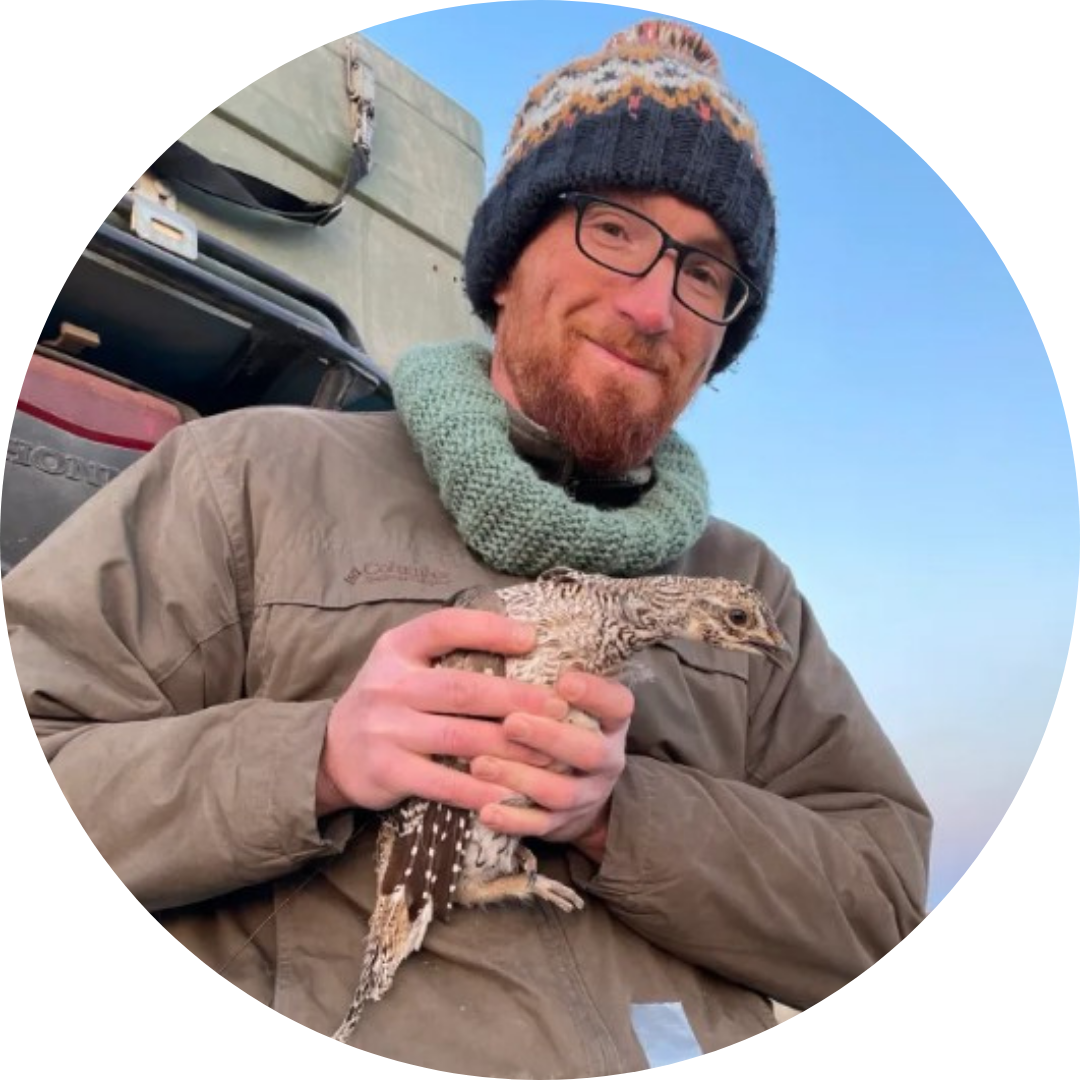 Brandon Hays
Brandon is an ecology PhD student. Housed in the Marine Robotics and Remote Sensing lab at Duke University, he quixotically studies impacts of elephants on forest structure and ecology in SE Asia. By understanding the relationships between elephants, protected forests, and surrounding agricultural landscapes, he hopes to reduce human-elephant conflict and help communities move towards sustainable coexistence. The Duke Forest serves as a proving ground for his remote sensing technology to study forest change around the world.
Audience: This tour is geared toward adult audiences (ages 18+). Any minors interested in participating must have a parent or guardian present and have an active interest in the subject.
Accessibility:
- Tour participants will be on their feet throughout this 3-hour tour, walking between featured sites and standing while listening to presentations.
- This event will include walking on gravel surfaces, short uphill and downhill sections, and traversing one of our mowed research fields. We invite you to bring along a walking stick or trekking poles if you need.
- There are NO BATHROOMS in the tour area, so please plan accordingly.
- Pets are not permitted at Duke Forest education and outreach events, with the exception of service animals as defined by the Americans with Disabilities Act.
- Parking is available and will be directed by Duke Forest staff.
- Our registration form includes a question where you can share details about any accessibility needs you may have. If you have accessibility considerations that you would like to make our staff aware of, please let us know.
REGISTER HERE
In an effort to increase the reach of our tours, the first 10 tour slots will be first-come, first-served, and the remaining slots will be filled from a waitlist. Our tours are small and often fill quickly, and we hope to engage a mix of folks new to the Duke Forest and past participants. Thank you for your understanding.
Registrants will be notified of their status, whether you are a confirmed participant or remain on the waitlist, by Thursday, January 29th. Confirmed participants will receive full details for the event (location, parking, what to bring).