



August 2020
The Office of the Duke Forest has been pleased to keep the Duke Forest Teaching and Research Laboratory open during the pandemic and to welcome recreational visitors in for respite, especially during this unprecedented time. We know it is a well-loved location for nature-based recreation – for hiking, running, and reconnecting with the natural world – but we need the help and cooperation of our recreational visitors to take good care of it. To protect the teaching and research mission, as well as the Forest’s natural resources, recreational use of the Duke Forest Teaching and Research Laboratory must comply with our regulations and safety considerations as well as with signage posted in the Forest.

Over the last several months, Duke Forest staff have noted a dramatic increase in unauthorized recreational activities and associated negative impacts. Some of what our staff is seeing is not new, but the sheer volume and spatial breadth has never been greater. In providing this statement, we offer a boots-on-the-ground view of what we have been finding and request that all of our recreational visitors join us in the stewardship of the Duke Forest Teaching and Research Laboratory. Please help us take care of the Duke Forest simply by following the rules that are in place and paying attention to signage.
Since 1931, the Duke Forest has served as Duke University’s largest and oldest teaching and research laboratory. The Office of the Duke Forest is a small staff dedicated to upholding its teaching and research mission, as well as protecting the natural resources that are foundational to that mission. Dr. Clarence Korstian, the first director of the Duke Forest, recognized the importance of allowing the community to remain in touch with the natural land base, but recreation has always been an ancillary benefit of the Forest’s existence. Today we ask for your cooperation and support to ensure that the Duke Forest remains a teaching, research, and natural asset that can also offer opportunity for nature-based recreation well into the future.
The unauthorized activities listed below – all of which we have documented in the last several months – threaten the Duke Forest’s teaching and research mission, as well as the protection of its natural resources:
(Click to open each to read more.)
Since 1931, the Duke Forest has served as a living laboratory. The security and integrity of our research installations is of primary importance. Please pay attention to signage and keep out of restricted research areas.

The dirt foot trails in the Duke Forest have only ever allowed foot traffic and were not designed to withstand bike use. Biking on dirt foot trails results in dangerous conditions for other recreational visitors (e.g. fast biking on narrow trails where children may be walking) and degrades the natural environment (e.g. through rutting and widening of trails). The latter is particularly detrimental along foot trails traversing our Natural Heritage Natural Areas, which are home to unique plants, animals, and natural communities
The Duke Forest is home to twelve Natural Heritage Natural Areas totaling over 1,200 acres that were registered with the state in 2004 in recognition of the role the Forest plays in protecting North Carolina’s biodiversity.


See number 2 above. The Duke Forest is private property, and it has only ever welcomed recreational visitors in for specific uses in designated locations, i.e. feet on foot trails, AND feet, bike tires, and horse hooves on graveled roads. Please do not create your own routes, and generally, do not initiate any activities that would not be appropriate in your neighbor’s yard.
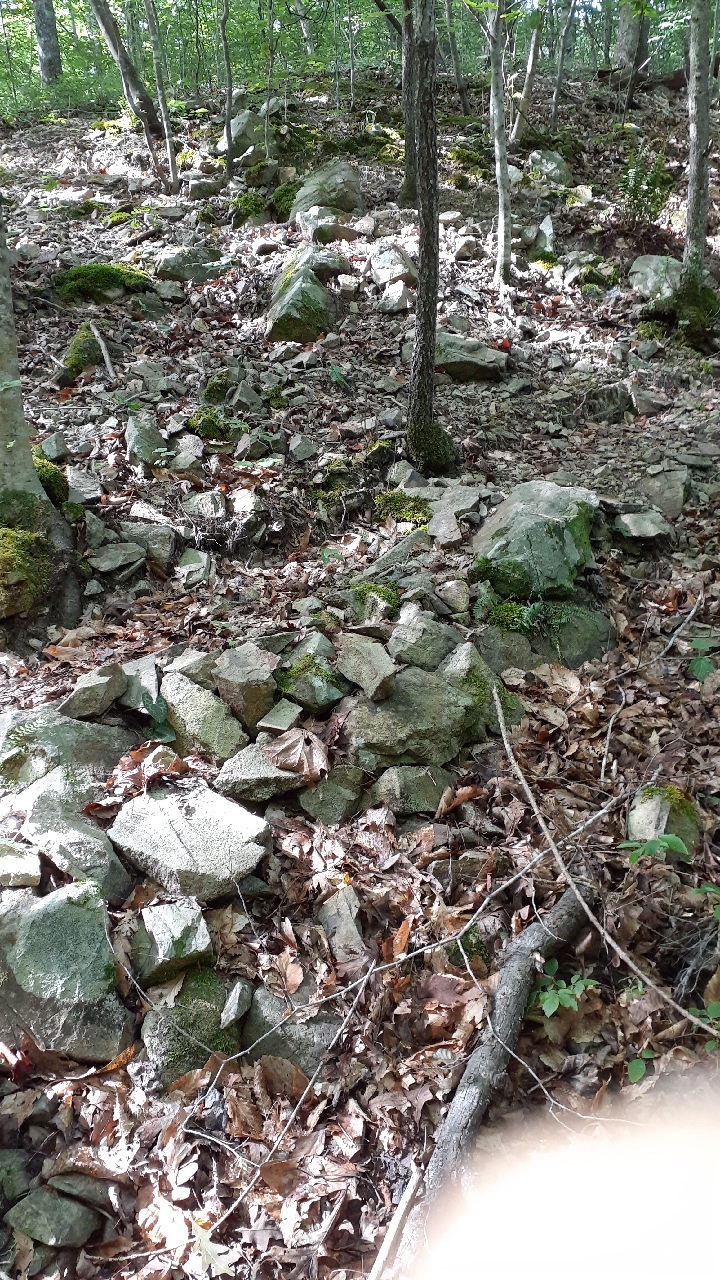
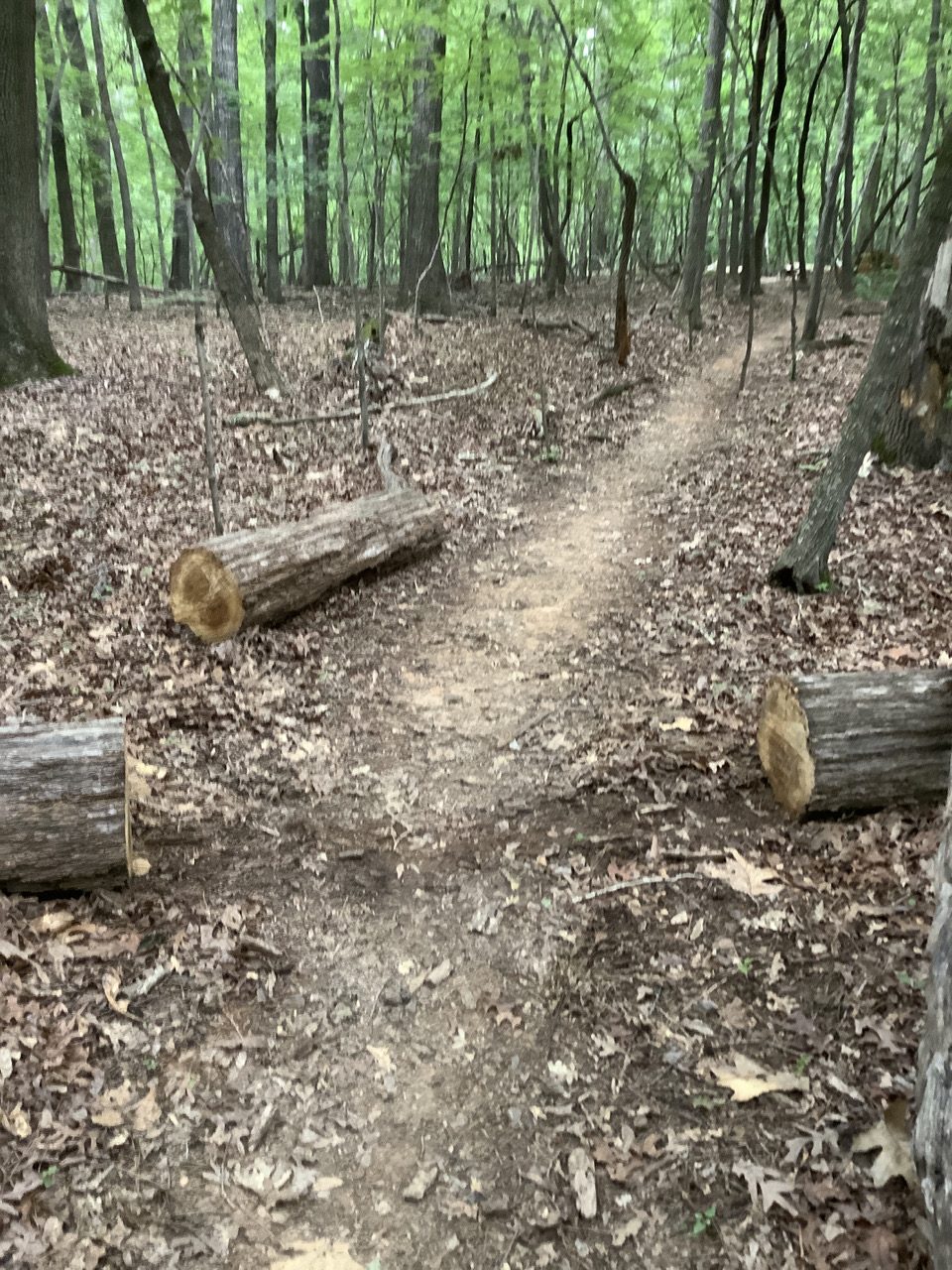
See number 3 above. Since the mission of the Duke Forest is not to facilitate recreation, we do not focus on expanding the trail system. Instead, we work to restore or reroute existing areas when they become degraded. The creation and use of unauthorized foot trails expands the overall human footprint on the Forest, which disturbs research plots and degrades the natural environment (e.g. destroys mature native plants; destroys regenerating plants, including trees; alters water courses; introduces trash, etc.). It also expands the area that management must respond to and remediate, thereby distracting and diluting our efforts on mission-focused, strategic activities.
In total, the Duke Forest offers 12 miles of designated foot-only, dirt trails. We have now documented over 16 miles of illicitly developed trails! These are particularly detrimental in research plots and in our Natural Heritage Natural Areas, where we have found 4 miles of illicitly developed trails.
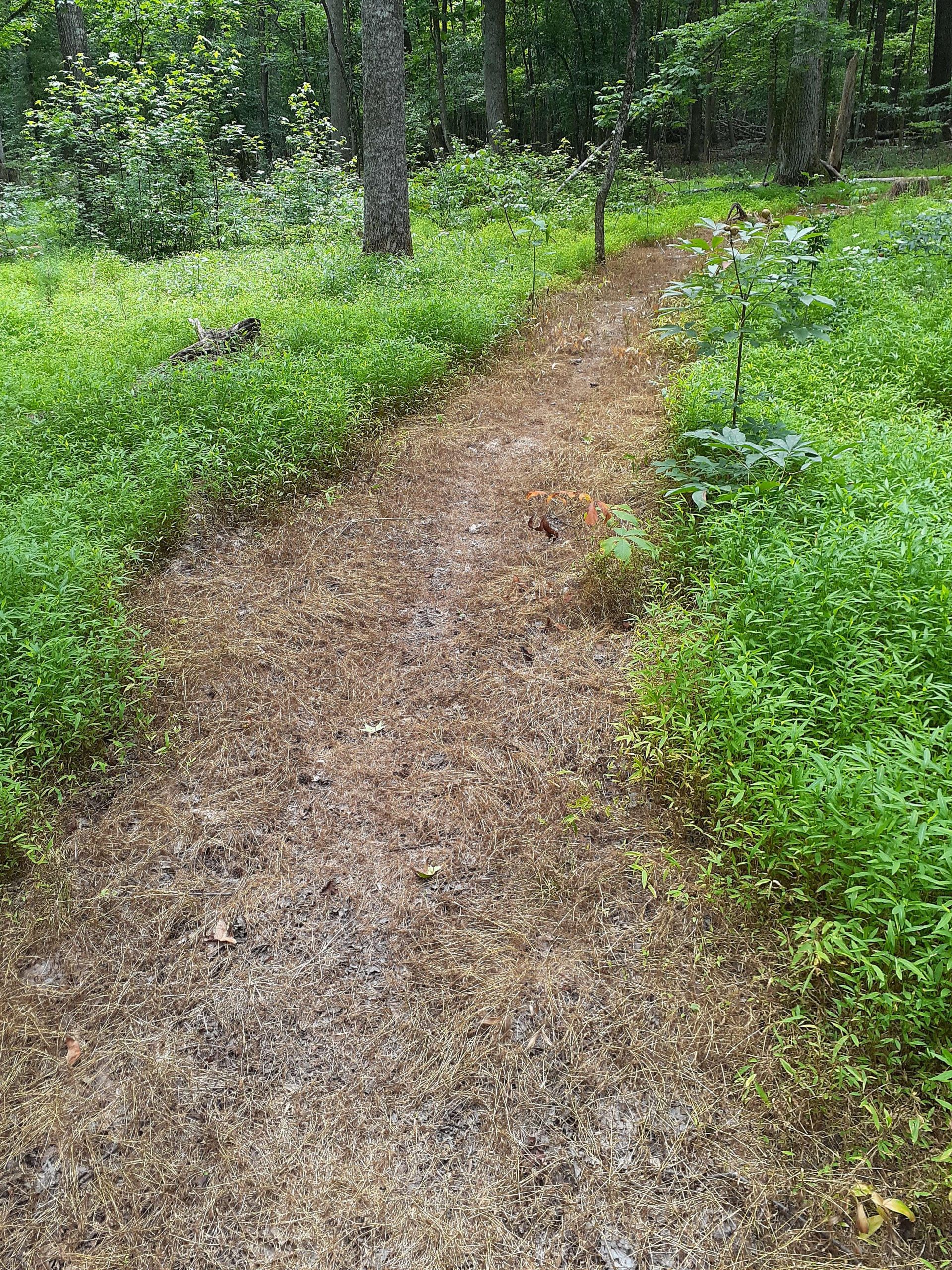
Forty-three public access gates exist across the 7000+ acres of Duke Forest property. These are the only locations designated as public access points. Additional points of entry spread out human disturbance, degrade the natural environment, and create potential safety issues. We have now documented 32 unauthorized access points!


The official Duke Forest maps (available from our Office, and in most cases, posted at each gate) provide the most reliable information on the location of authorized access points, graveled roads, and dirt foot trails. Any changes are reflected on the ground via signage and/or the blue dots that mark trees along authorized foot trails.

If the Duke Forest staff and its volunteers have deemed it necessary to physically place barriers and/or signage to deter use of an unauthorized trail, please respect this work and the clear message that foot, and especially bike, traffic should not traverse the area.
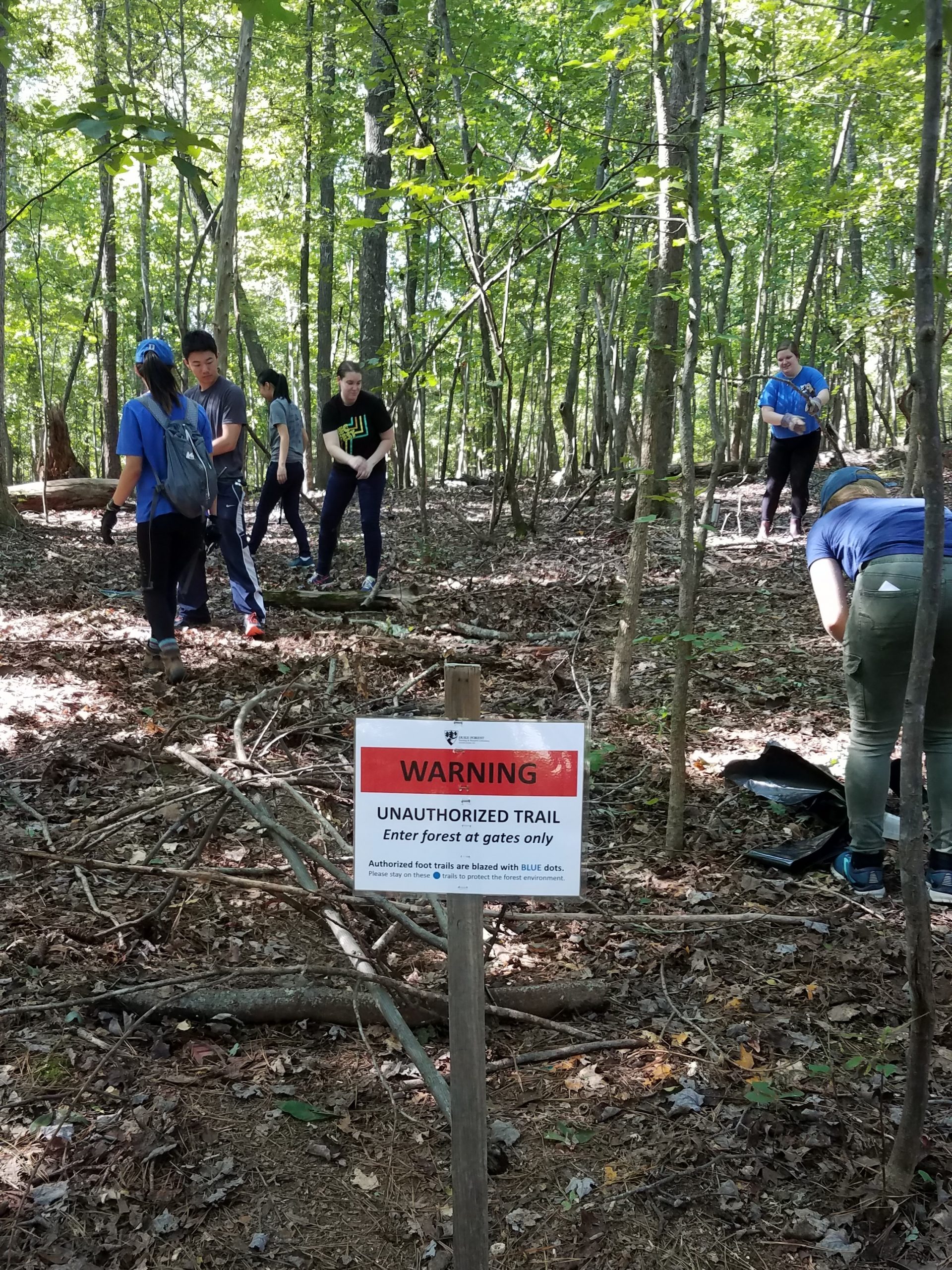
Off-trail activities are not permitted in the Duke Forest, and no aspect of the Forest’s physical environment should ever be modified by a recreational visitor. Placing unsanctioned elements promotes unauthorized use and encourages the placement of additional elements.

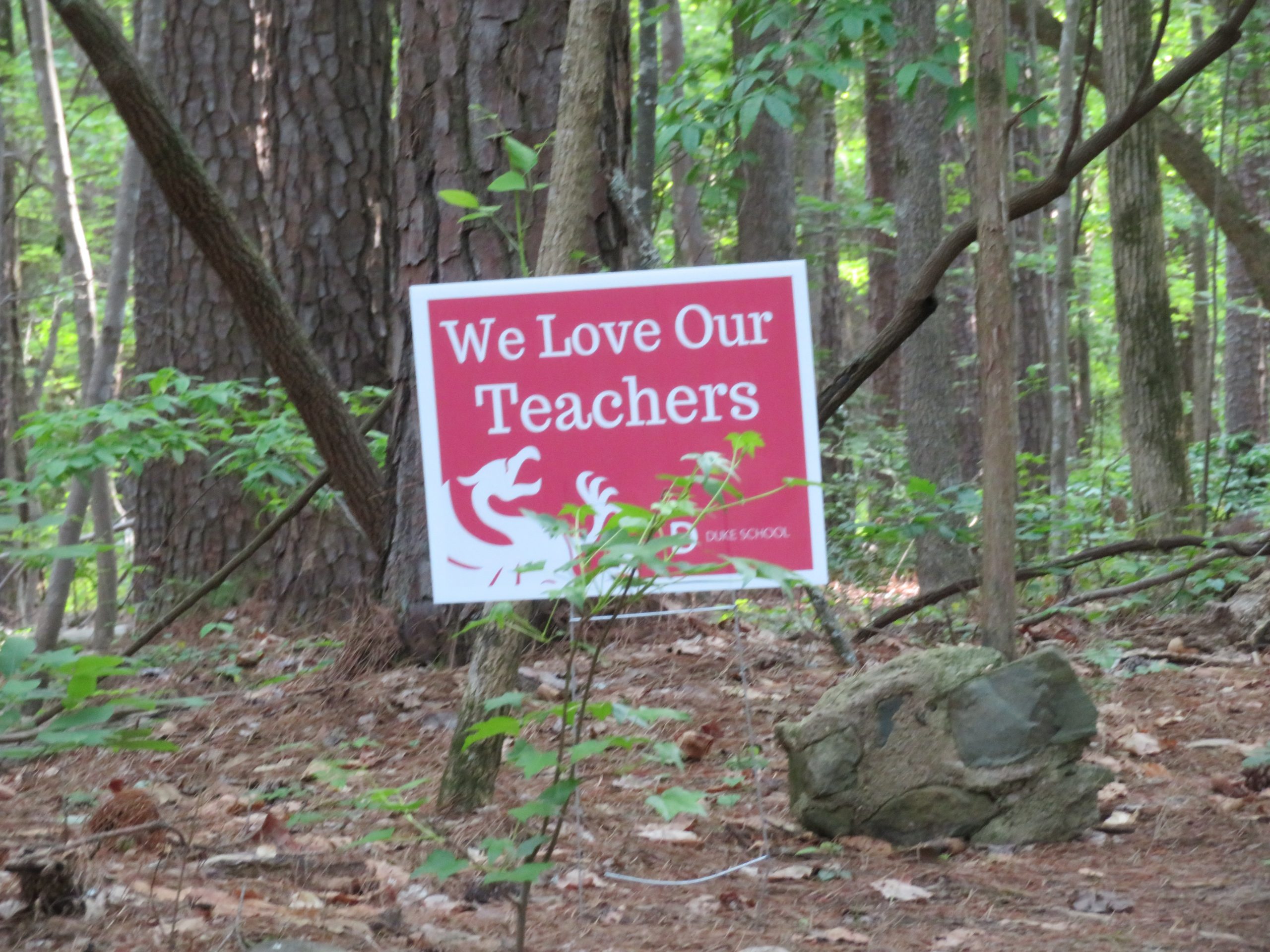
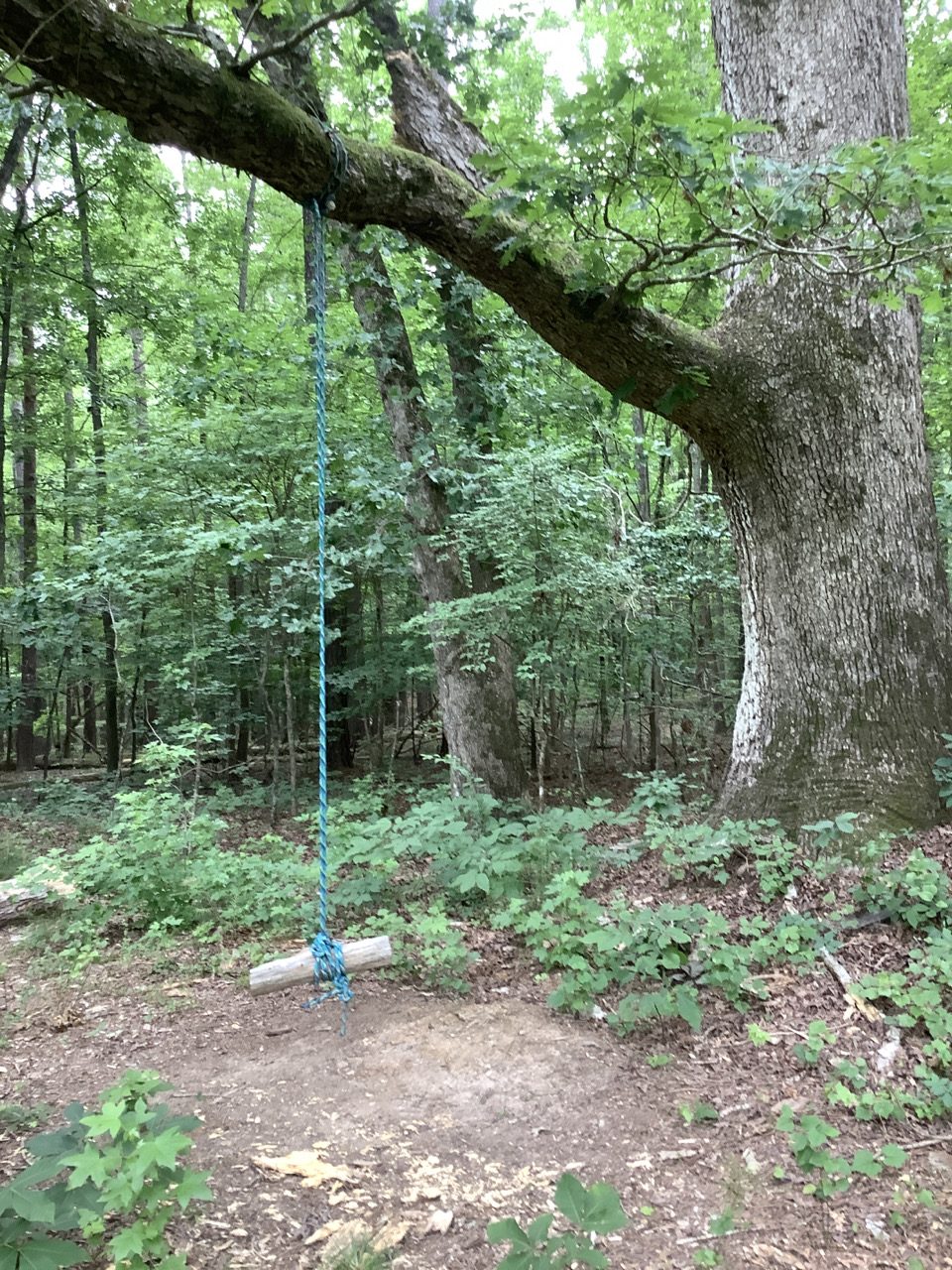
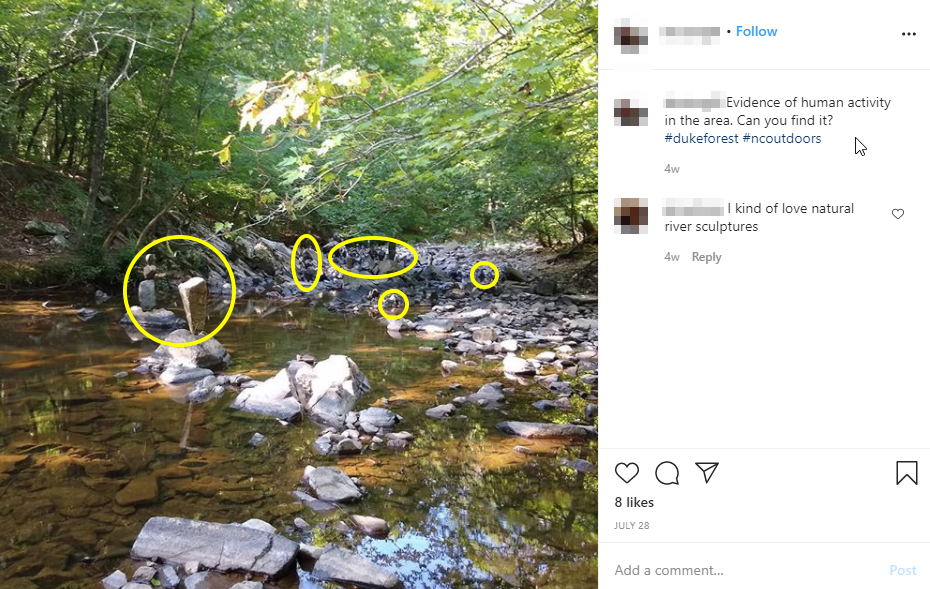
Off-trail activities are not permitted in the Duke Forest, and no forest materials should be moved or manipulated for any reason by a recreational visitor. Creating physical structures promotes unauthorized use and encourages the placement of additional structures.


As a teaching and research laboratory, the security and integrity of research installations is paramount. Since off-trail activity is not permitted and some locations are restricted to research use only, it should be easy to avoid disturbing any research related materials or infrastructure.
The Duke Forest requires that dogs be restrained by a physical leash (less than or equal to 6 feet) held by a human and connected to a collar or harness that is attached to the dog(s). Electronic devices are not adequate restraints in the Duke Forest. The proper use of a physical leash provides an easily understood, visual cue that quickly signals to other recreational visitors that a dog is under the direct control of a human.
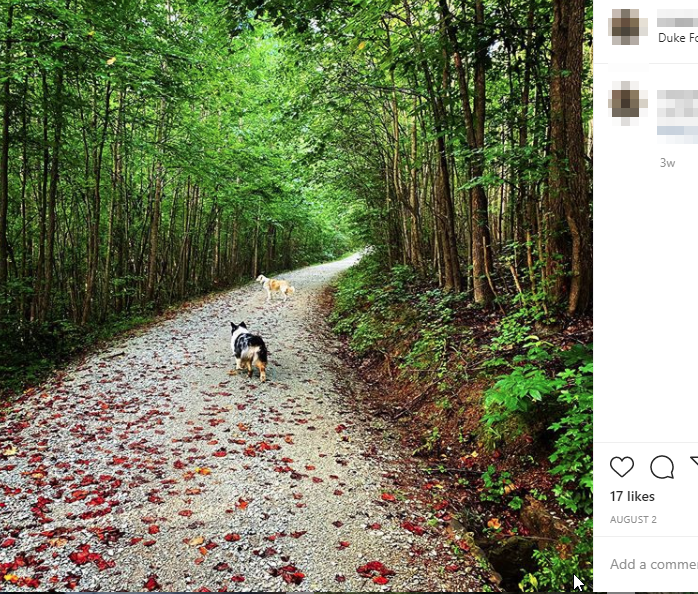

Trash receptacles are not available except at our two picnic shelter locations. It is not feasible for staff to place and service trash receptacles at 43 public access points across 3 counties. A dog and its waste are the responsibility of the recreational visitor that brings it along, and visitors must take ALL trash with them. Dog waste contains bacteria, parasites, and pathogens – some of which can persist and survive in the environment for years!

Off-road use by motorized vehicles of any kind is destructive to the forest environment and research installations. The only motorized vehicles that have ever been allowed in the Duke Forest are staff and researcher vehicles.
As a teaching and research forest, the Duke Forest does not provide a destination for outdoor race events. There are obvious and inherent legal, liability, and safety issues related to such events.
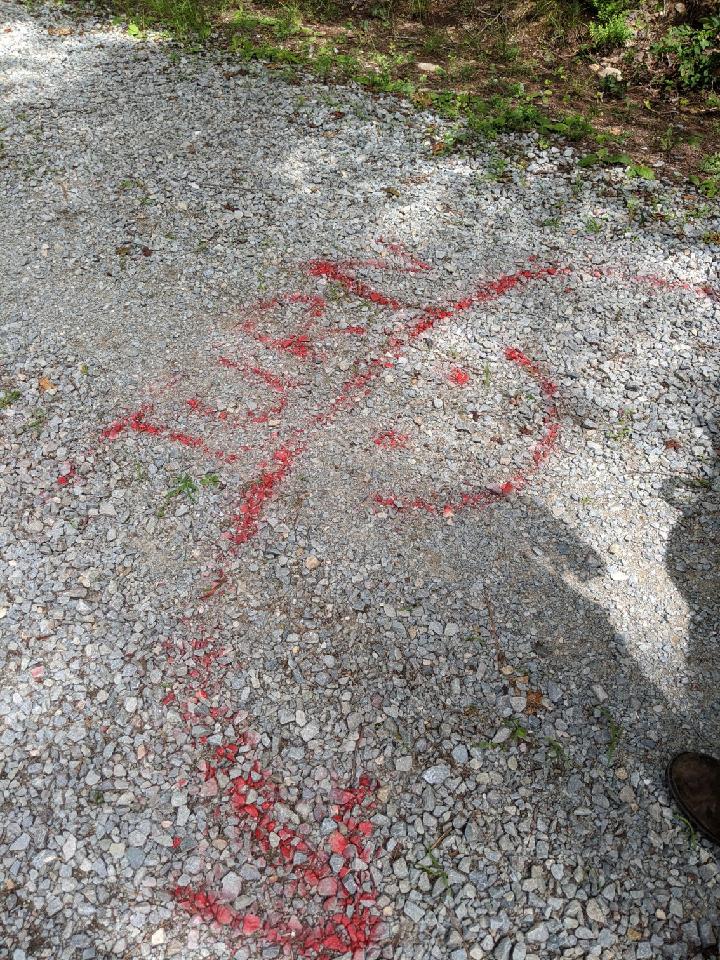
Please report this activity as soon as possible so that we may remediate it.
Please do not hesitate to contact our office at dukeforest@duke.edu if you see any unauthorized or concerning activities.